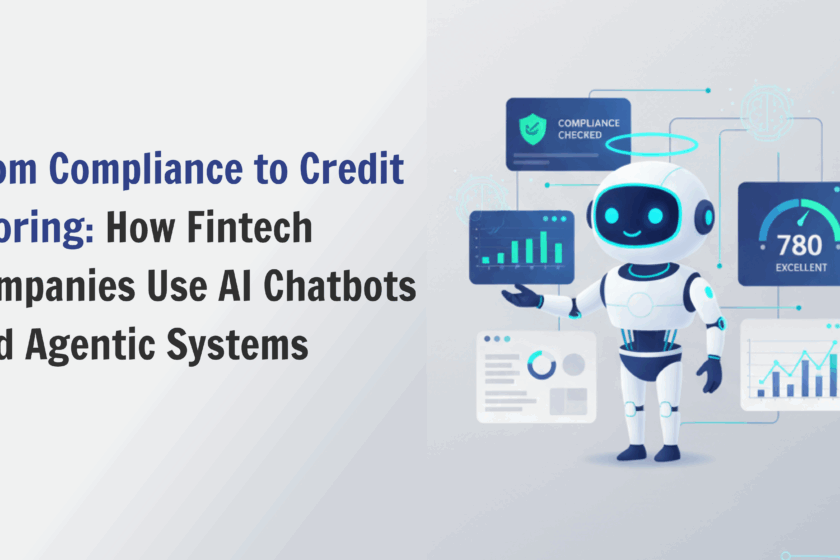
Let’s tell it straight: Fintech companies are not just dabbling in futuristic buzzwords. They’re charging head-first into the AI revolution. Picture this: chatbots handling compliance checklists, AI agents crunching credit scoring in seconds, and entire autonomous systems transforming how we think about financial services. Don’t sleep on this shift, it’s your cue to understand how fintech companies are redefining the rules with tools like chatbots for financial compliance, AI in banking, finance automation, and agentic AI in finance.
The AI Evolution in Finance: From Reactive to Proactive
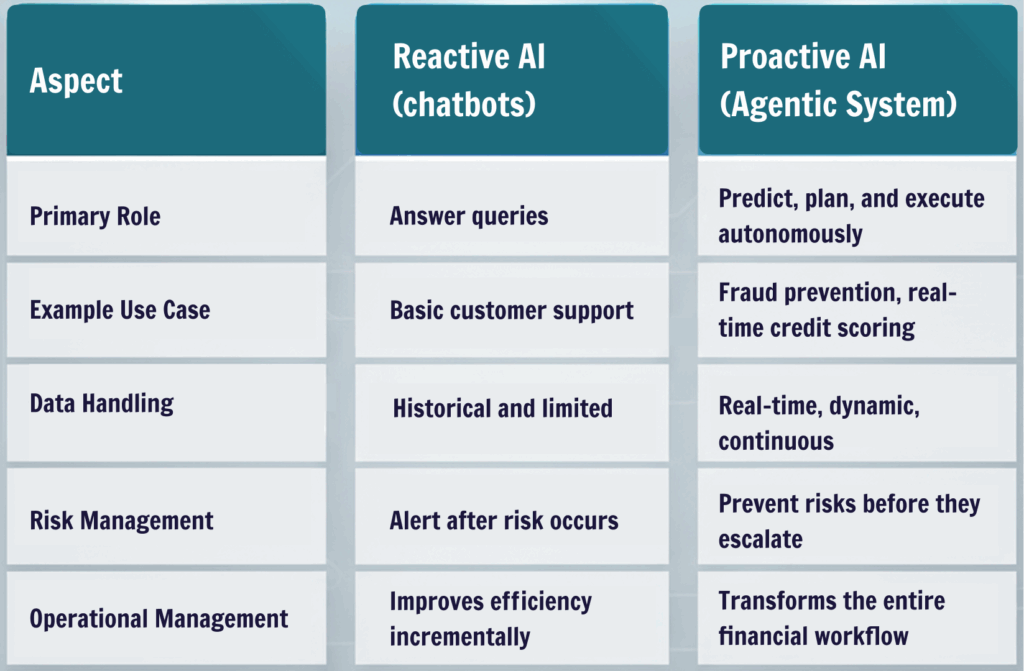
Artificial Intelligence (AI) isn’t just transforming finance, it’s completely rewriting the playbook. For years, fintech companies have relied on AI for customer service, basic compliance tasks, and streamlining workflows. But here’s the shift happening now: we’ve moved from reactive AI, like chatbots answering FAQs, to proactive agentic AI systems that predict risks, approve credit, and manage compliance before issues even surface.
This is more than a technology upgrade. It’s a revolution in how AI in banking is applied to finance automation, AI compliance, and AI risk management. Let’s dive into how fintech companies are leading this evolution, and why staying ahead of this curve is now a survival game, not just a competitive edge.
From Chatbots to Credit Scoring: The Reactive Era
When fintech companies first adopted AI, the goal was simple:
➣ Reduce support costs
➣ Speed up customer service
➣ Handle repetitive compliance tasks
Chatbots for Financial Compliance
Early AI adoption revolved around chatbots for financial compliance and customer support. These bots were trained to answer basic questions, help with onboarding, and guide users through KYC/AML processes.
For example:
➣ AI banking systems in NYC helped regional banks cut call center wait times by 40%.
➣ Startups like those among fintech chatbot companies in New York built specialized bots to automate documentation and reporting.
But these were reactive systems. They waited for customer inputs or regulatory triggers, responding only when prompted. Think of them as digital assistants following a rulebook. Efficient, yes but limited.
The Rise of Proactive AI in Finance
Here’s where things get exciting. The new generation of agentic AI in finance is not just smarter, it’s autonomous. These systems don’t just react to events; they predict and act ahead of time.
Proactive AI in Banking: Real-World Use Cases
1. AI for Credit Scoring
Traditional credit scoring relied on static data like income and past behavior.
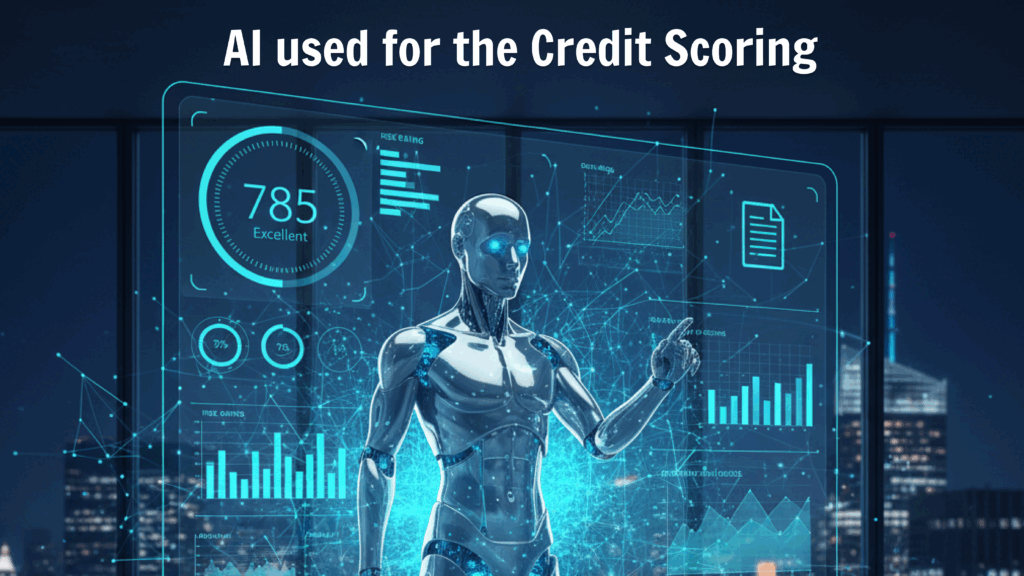
➥ With AI for credit scoring, fintech companies analyze real-time data streams – transaction patterns, digital footprints, even micro-behaviors – to assess risk instantly.
➥ Proactive systems can approve microloans in minutes, expanding financial inclusion globally.
2. AI Risk Management & Fraud Detection
➥ Reactive systems flagged fraudulent activity after it happened.
➥ Proactive systems predict unusual patterns before fraud occurs, preventing losses entirely.
➥ Risk AI platforms use multiagent systems to monitor thousands of data points simultaneously.
3. AI Compliance & Regulatory Automation
➥ Instead of scrambling to meet new regulations, proactive systems continuously monitor changes.
➥ AI compliance tools automatically update workflows, reports, and alerts to keep fintech companies ahead of regulators.
Fintech Companies: From Compliance Chatbots to Agentic Independence
The journey of fintech companies in adopting AI has been nothing short of transformative. What started as a modest experiment with chatbots for financial compliance has now evolved into a sophisticated ecosystem driven by agentic AI in finance and multiagent systems. This shift represents more than just technological growth; it’s a complete reimagining of how financial services operate, from regulatory tasks to complex decision-making.
The Rise of Compliance Chatbots
In the early days, fintech companies turned to AI-powered chatbots to handle repetitive and time-consuming tasks. These bots became the first line of defense for AI compliance, ensuring processes like KYC (Know Your Customer) and AML (Anti-Money Laundering) were executed efficiently and accurately.
Some key ways chatbots revolutionized compliance:
24/7 Support: Always-on chatbots reduced customer wait times while keeping compliance checks running nonstop.
Document Verification: Automated systems sped up verification, cutting manual workloads for human teams.
Error Reduction: By sticking to predefined rules, chatbots minimized costly compliance mistakes.
For example, AI banking systems in NYC leveraged chatbots to automate regulatory reporting, freeing staff to focus on higher-level strategy. Similarly, fintech chatbot companies in New York quickly became key players by offering specialized tools that helped local banks navigate increasingly complex regulations.
While these systems were groundbreaking, they were still reactive. They responded to customer prompts or triggered alerts only after certain conditions were met. This limited their ability to drive innovation or proactively manage risk.
The Shift Toward Agentic Independence
Fast forward to today, and fintech companies are moving beyond static chatbots into the era of agentic AI in finance. Unlike traditional AI, which follows a fixed set of instructions, agentic systems can observe, plan, and act independently.
This evolution is fueled by multiagent systems, where multiple specialized AI agents collaborate seamlessly:
➥ Risk AI agents predict and prevent fraud before it happens.
➥ AI for credit scoring agents analyze real-time financial behavior to approve loans within seconds.
➥ AI risk management agents continuously monitor market conditions and portfolio health.
➥ AI compliance agents stay ahead of evolving regulations without requiring manual updates.
These systems completely transform finance. Imagine a loan process where the customer applies, risk assessment is done instantly, compliance is verified automatically, and funds are disbursed within minutes, all without a single human hand-off. That’s the power of agentic independence.
Proactive Advantage: Instead of reacting to problems, proactive systems anticipate and prevent them, delivering faster decisions and stronger outcomes.
Key Insights and Unique Perspectives for Fintech Companies
The financial industry is no longer playing catch-up with technology, it’s actively driving innovation. As companies evolve, they’re not just solving operational bottlenecks but reshaping how financial services are delivered. Below are four key shifts that highlight where this transformation is headed.
1. Evolution from Compliance to Credit Scoring
Traditionally, Fintech companies leveraged AI chatbots in fintech mainly for compliance tasks like KYC verification, fraud detection, and regulatory reporting. These were reactive tools, responding to problems as they arose.
Today, the focus has shifted dramatically. AI for credit scoring is emerging as a cornerstone of modern finance. Instead of simply flagging potential compliance risks, advanced agentic systems in banking now analyze consumer behavior, transaction patterns, and alternative data sources to predict creditworthiness in real time.
This means companies can extend financial services to the underbanked, streamline loan approvals, and reduce bias in decision-making by relying on data-driven, transparent scoring models.
2. Multi-Agent Systems: The Future of Financial Collaboration
The next frontier isn’t a single chatbot; it’s multi-agent AI systems working together like a well-coordinated financial team. Imagine one AI agent focusing on fraud prevention, another on credit scoring, and another on customer experience, all communicating seamlessly to deliver faster, smarter decisions.
This shift is particularly game-changing for agentic AI in finance, where multiple specialized agents can handle complex, cross-border transactions, compliance checks, and personalized advice simultaneously.
3. Trust, Transparency, and Governance: Dealbreaker or Differentiator
As AI chatbots for financial compliance take on more responsibility, trust and transparency become non-negotiable. Consumers want to understand how algorithms make decisions, especially when it comes to sensitive areas like loan approvals or fraud detection.
Here’s the catch: regulatory compliance alone isn’t enough anymore. Fintech companies that embrace transparent AI governance, provide explainable models, and safeguard data privacy will win customer loyalty. Those that don’t risk eroding trust, no matter how advanced their technology is.
4. A Strategic Shift, Not Just Tech
It’s easy to see this transformation as purely technological, but that’s a mistake. Forward-thinking Fintech companies are aligning their strategies with these innovations, moving from traditional, siloed operations to agile, data-driven ecosystems. This is where the real competitive edge lies: combining cutting-edge technology with human-centered design and strategic vision.
The future of finance won’t be won by the best tech alone; it will be led by Fintech companies that understand the intersection of AI, governance, and customer trust.
Local Innovation, Global Impact
The rise of AI banking systems in NYC is reshaping how traditional banks operate, setting a blueprint for Fintech companies worldwide. In the heart of the financial capital, Fintech chatbot companies in New York are pioneering next-gen solutions for financial compliance, customer support, and AI risk management.
As these localized ecosystems grow, they create ripple effects globally. AI for credit scoring is being refined in these hubs, helping lenders worldwide make smarter, faster decisions. Over the next few years, multiagent systems will connect these regional innovations, enabling cross-border collaboration between Fintech companies, regulators, and traditional banks.
The future of finance lies in borderless, intelligent networks, where local breakthroughs in places like New York merge with global strategies to deliver hyper-personalized services, enhanced compliance, and real-time risk assessment.
Why This Matters For Fintech Companies
The journey of Fintech companies from basic chatbots for financial compliance to advanced agentic AI in finance signals more than just technological progress; it reflects a fundamental shift in the way we view money, trust, and innovation. With AI banking systems in NYC leading localized advancements and Fintech chatbot companies in New York setting global benchmarks, the future of finance is poised to be smarter, faster, and more connected than ever.
As multiagent systems drive cross-border financial collaboration, the ability to integrate AI for credit scoring, AI compliance, and AI risk management will determine which players rise to the top.
Fintech companies that lean into agentic AI are rewriting the playbook, making processes smarter, faster, and more inclusive. Are you ready to ride that wave?
What’s your take?
➥ Are fintech chatbot companies in New York, or any global fintechs, already implementing such systems?
➥ How do you balance compliance, customer trust, and autonomy?
Drop your thoughts or experiences below, let’s ignite a conversation that helps every reader navigate the AI transformation smarter.
FAQs
1. How are Fintech companies using AI to transform banking?
Fintech companies are leveraging AI banking systems and finance automation to streamline compliance, reduce costs, and improve decision-making. These tools help banks offer personalized services, faster loan approvals, and real-time fraud detection.
2. Why are multiagent systems important for the future of finance?
Multiagent systems allow multiple AI-driven agents to work together, enabling fintech companies to predict market trends, enhance AI risk management, and deliver hyperpersonalization and cross-border collaboration.
3. How is AI for credit scoring changing the lending landscape?
Traditional credit scoring models rely on limited data, often leaving out entire groups of potential borrowers. AI for credit scoring revolutionizes this process by analyzing:
➥ Spending behavior
➥ Social data
➥ Transaction history in real-time
4. What does the future of Fintech look like?
Fintech companies may transition from regional service providers to global networks, delivering:
➥ Real-time compliance tracking
➥ AI-driven lending
➥ Personalized financial coaching
➥ Cross-border payments with zero delays